Mirrored closet doors can change the look and feel of a space in ways that feel both practical and a touch indulgent without being showy. They reflect light into darker corners and can make narrow rooms read as wider and more open than they are on paper.
Deciding whether to pay extra for mirrored panels touches on matters of budget, maintenance and the visual goals you have for a room.
Visual Impact And Light
Mirrored doors act like a passive lighting trick by bouncing daylight and artificial light deeper into a room, which can reduce reliance on extra lamps and make evenings gentler on the eyes.
A single large reflective surface alters sightlines and can produce the illusion of depth that a flat painted panel simply cannot supply, shifting how you perceive ceiling height and floor area.
The mirror effect is immediate and often dramatic when placed opposite a window or a pale wall, giving an almost theatrical change in tone without major renovation or extra fixtures. Keep in mind that glass highlights both the good and the sloppy in equal measure, so what you see is an honest reflection of how the space is kept.
Room Size And Perception

A mirror manipulates perception by extending visual boundaries and doubling elements that the eye reads as space, which is useful in compact bedrooms and tight entryways where every square inch feels scarce.
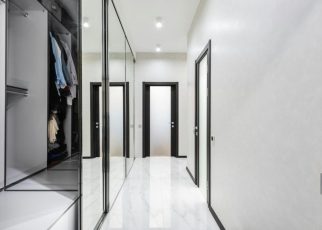
When used thoughtfully a mirrored door can balance an awkward layout and make narrow corridors feel less claustrophobic, creating a psychological sense of breathing room that impacts comfort.
For an easy upgrade that combines reflection with space-saving functionality, many homeowners opt for mirrored sliding closet doors, which instantly expand sightlines without consuming floor area.
Placement matters because a mirror facing a busy closet shelf will repeat clutter while one aimed at a clear wall or a framed painting will multiply the pleasing aspects of the room.
The trick is to manage angles and sightlines so the reflected image is helpful rather than distracting, and that requires a bit of planning before installation.
Maintenance And Durability
Glass surfaces pick up finger oils, smudges and streaks in a way that dark painted doors rarely do, which translates to more frequent wiping if you want a spotless finish that photographs well.
Tempered glass and edge treatments increase resistance to breakage and chipping, and there are protective films and coatings that reduce scratch risk while still keeping most of the clarity and light boosting effects.
Hardware quality plays a large role in lifespan because cheap rollers or tracks lead to misalignment, dragging and the kind of noisy wear that turns a neat feature into an irritant.
With modest maintenance habits such as regular cleaning and periodic hardware checks the benefits last for years, but neglect will accelerate deterioration and visible wear.
Cost Versus Value
Mirrored doors carry a premium over standard hollow core or painted slab options because of the glass cost, safety processing and the secure mounting required to keep the reflection steady and true.
The extra spending can be justified when the mirror improves how a room photographs for a listing, increases buyer interest, or removes the need for supplemental lighting by brightening the space.
In rental properties and shorter term housing there is a chance the feature pays for itself in occupant appeal, but resale outcomes vary with buyer taste and regional trends.
Weighing the upfront expense against potential lifestyle benefits means tallying cleaning time, replacement risk and how much that extra visual space matters to you day to day.
Safety And Privacy
Tempered glass is the standard for safety and breaks into blunt fragments to reduce injury risk, which is a comfort for households with children or active pets moving through closets and hallways.
If full reflection feels intrusive there are options such as frosted films, back painted mirrors and tinted glass that soften the view while preserving the light reflecting performance.
Think about room adjacency because a mirror facing a bathroom, nursery or bedroom will alter how private those spaces feel at odd hours, and that change can be either welcome or off putting depending on personal preference.
For extra control, interior blinds, sliding panels or a secondary door can be integrated so you keep the visual payoff without surrendering privacy when you need it.
Design Flexibility
Mirrored doors are surprisingly adaptable and can serve many design languages from pared back modern to more ornamented traditional fits when paired with appropriate framing or trim.
They come in sliding and hinged styles and can be divided into panels to mimic classic French doors or left as a single uninterrupted plane for a sleek contemporary look.
Tinted, antiqued and smoked mirror finishes offer subtler reflections when full clarity would be too strong for the room, letting the surface read as texture rather than just reflection.
Selecting a finish that coordinates with existing hardware, flooring and wall tones helps the mirror feel like an intentional design element rather than an afterthought or an accidental spotlight.
Installation And Hardware
Professional installation is recommended because mirror weight and the forces of regular use require secure tracks, reinforced jambs and hardware rated for glass loads, all of which add to the final bill but protect your investment.
Poor installation shows up quickly in misaligned doors, binding slides and rattling that wears both the mirror and the frame, creating the very headaches you tried to avoid by upgrading.
Soft close mechanisms, quality rollers and proper reinforcement extend function and reduce noise, and while these items add cost they save grief in the long run by preventing wear related failures.
Ask for warranties and check what is covered for glass breakage and mechanical faults so you have a clear picture of long term exposure and repair options.
Where Mirrored Doors Make Sense
They shine in small urban flats, compact guest rooms and long narrow halls where enlarging perceived space and increasing light bring practical benefits that often outweigh the cleaning overhead.
In larger master suites the mirror is less about visual expansion and more about usefulness as a dressing surface and a way to catch light from multiple directions, which can make a bedroom feel more refined and usable.
Busy family homes sometimes struggle with constant smudges but a consistent cleaning routine and durable edge protection reduce that burden to a manageable chore that most adapt to quickly.
If staging a home for sale, preparing a rental for photographs or giving a tight space a lift, the choice to invest in mirrored doors often produces immediate and visible returns that are hard to ignore.