

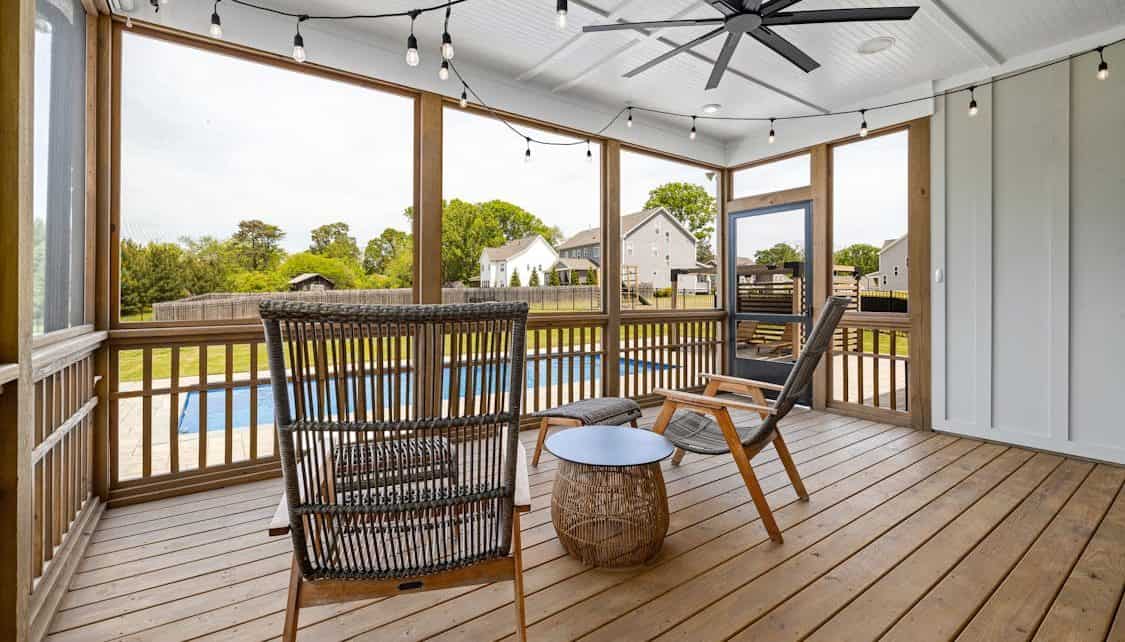
String lights are the most beloved patio upgrade there is. They cost little, install in an afternoon, and transform a bare backyard into something that feels like a destination. They are also, according to federal safety regulators, a recurring source of household injuries and fires when they are chosen or installed carelessly.
That tension is worth sitting with, because the same lights that make a Las Vegas patio glow can become a hazard in a climate that is unusually hard on them.
The point is not to scare anyone away from string lights. It is to choose and hang them the way someone who understands the risks would.
What the Safety Data Actually Shows
The Consumer Product Safety Commission tracks decorating-related injuries closely, and the figures are larger than most people would guess. In a single recent holiday season, about 14,900 people were treated in emergency rooms for injuries tied to holiday decorating.
A large share of those are falls, often from ladders and roofs while hanging lights, which is its own argument for careful planning before climbing anything.
The rest cluster around electrical problems: shock and fire from damaged sets, overloaded outlets, and indoor-rated products used outside. The agency’s standing guidance includes never linking more than three sets of incandescent strings end to end.
The CPSC also treats seasonal lighting that lacks basic safety features, like adequate wire size, strain relief, or fuses, as a genuine product hazard rather than a minor quality issue.
Why the Desert Is Especially Tough on String Lights
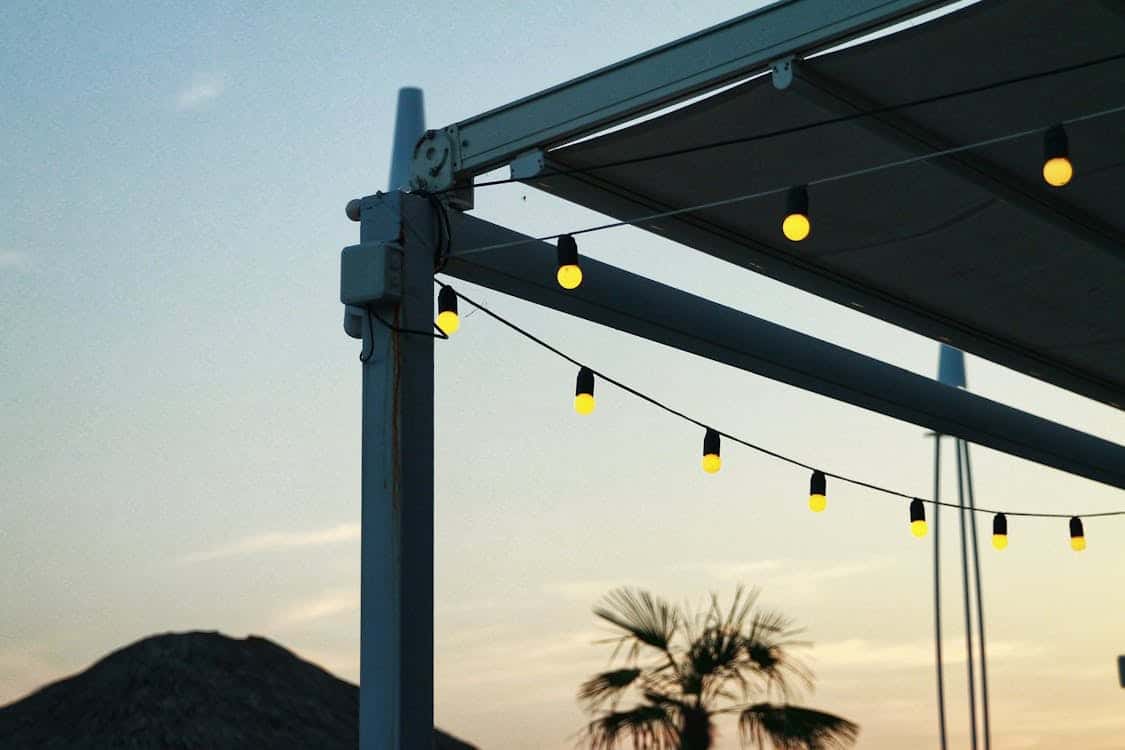
Las Vegas adds its own stresses on top of the usual risks, and they all push in the direction of buying better and inspecting more often.
Sustained, intense UV exposure breaks down cheap wire insulation and plastic sockets faster than a milder climate would, turning a set that looked fine last season into one with brittle, cracking wiring this season.
The valley’s sudden windstorms are the second factor. Lights strung loosely across an open yard become tangled, yanked, and frayed when a gust tears through, which is how a decorative set turns into exposed wiring.
Dust works its way into connections and fixtures over time, and the big day-to-night temperature swings expand and contract materials in ways that loosen fittings. None of it is dramatic on its own, but together it ages outdoor lighting quickly.
How to Light a Patio the Safe Way
The fixes are straightforward and mostly come down to buying for the conditions and mounting with intention rather than improvising.
Start with outdoor-rated, ideally LED, products. Beyond running far cooler, quality outdoor-rated sets are built with the wire size, strain relief, and weather sealing that the cheapest indoor-grade strings simply lack.
Mount to something solid. Lights fastened securely to a patio cover or pergola, rather than draped across open space, resist the wind that frays and tears loosely hung sets, and a permanent structure gives clean anchor points and hidden routing for the wiring.
Mind the power. Plugging outdoor lighting into ground-fault-protected circuits, avoiding daisy-chained extension cords, and not overloading a single outlet addresses the electrical risks that drive the scariest of the CPSC’s numbers.
And inspect before each season. A two-minute check for cracked insulation, corroded sockets, and loose connections, while everything is unplugged, catches the desert-accelerated wear before it becomes a problem.
String lights earn their popularity. Treated as the real electrical product they are, and anchored to a solid covered structure built for valley conditions, they stay the easy, beautiful upgrade they are supposed to be rather than the hazard the injury data warns about.


