
Melbourne’s luxury property market is behaving in two directions at once this year. Ultra-premium addresses are holding firm while the broader prestige segment shows clear signs of buyer caution, and that split is changing how homeowners in top suburbs approach renovating rather than selling.
In pockets where land rarely turns over, more owners are choosing to engage a Standout Projects Melbourne builder profile or similar established local outfit for a knockdown-rebuild or major renovation rather than list the existing house and compete for a replacement in the same tight corridor.
A market divided by price tier
Domain’s tracking of the prestige segment shows clearance rates sitting between 56 and 58 percent through March and early April this year, noticeably softer than the same period in 2025. New listings jumped sharply across suburbs like Stonnington East, up more than 65 percent, and Boroondara, up over 52 percent, adding supply into a market that buyers are treating with caution rather than confidence.
Price performance has been just as uneven. Toorak’s median fell 14.2 percent annually to $4.125 million even as neighbouring Canterbury rose 22.5 percent to $3.675 million, and Brighton edged up modestly. Buyer advocates describe the mood as measured rather than bullish, with sellers increasingly choosing to wait rather than accept a discounted offer.
Why owners are choosing to stay and rebuild instead
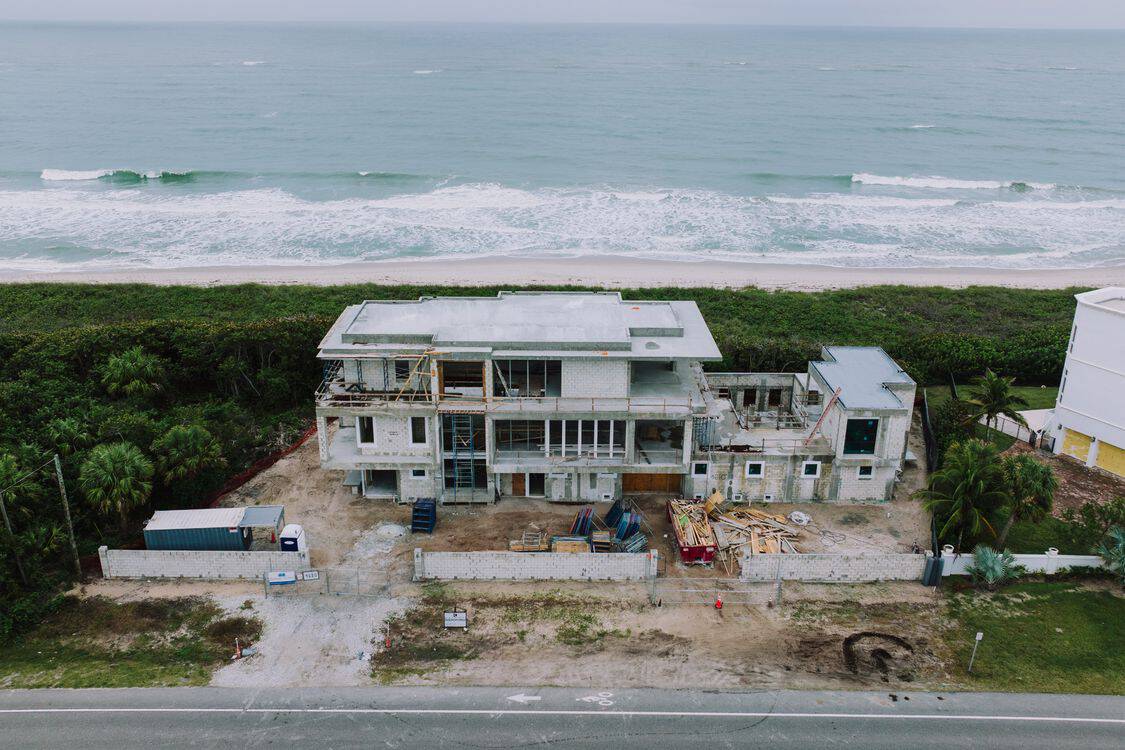
That hesitation on the sales side is pushing more established homeowners toward renovating or rebuilding on their existing block rather than testing a soft resale market. Property advocates have flagged the pattern repeatedly this year: owners in Boroondara, Bayside and the inner east are commissioning architect-led rebuilds instead of listing, effectively converting sale intentions into construction briefs.
Land in these pockets rarely comes up, and rebuilding preserves the address. A full knockdown-rebuild or major structural renovation has become the more common path, and several custom builders active across the Stonnington and Boroondara corridors say demand has become concentrated in specific postcodes.
This isn’t purely defensive behaviour, either. Some owners are using the softer resale conditions as leverage to negotiate better trade rates and builder availability, since fewer active listings means fewer competing renovation projects chasing the same tradespeople.
Architects working in these corridors describe briefs that have grown more ambitious over the past year, not more conservative, with clients directing renovation budgets that might once have gone toward a stamp duty and moving bill into a bigger extension or a full second-storey addition instead.
What the data suggests for the rest of 2026
Buyer’s agents interviewed by Domain describe the current environment as a “long-informed view” market, where decisions are made on fundamentals rather than urgency. That measured pace tends to favour renovation and rebuild projects, which typically run on twelve to eighteen month timelines anyway and are less sensitive to short-term listing swings than a straight sale would be.
If clearance rates stay below last year’s levels through the second half of 2026, expect the rebuild-over-relist pattern in Melbourne’s premium suburbs to become more pronounced, not less. The suburbs recording the steepest new-listing growth are, not coincidentally, the same ones where architect-led renovation and rebuild inquiries have picked up over the same period.
The split between ultra-premium and mid-prestige pricing also suggests build quality and design now carry more weight with buyers than they did during the boom years, when almost any listing in a blue-chip postcode would move quickly regardless of finish. That pickiness is filtering through to renovation briefs too, with owners investing more heavily in bespoke joinery, landscaping and material selection than a straightforward like-for-like update.
Whether that translates into a stronger second half for prestige sales, or simply more homeowners doubling down on the properties they already hold, will depend largely on interest rate movements between now and the end of the year. Every advocate quoted in the recent coverage flagged that as the swing factor to watch.