Car maintenance is crucial for keeping your car running smoothly, and avoiding these mistakes can help you save money in the long run.
Most vehicles have warning lights that tell you when something is wrong, such as a check engine light or new noises on the road. Pay attention to these alerts and take action as soon as possible.
1. Not Taking Your Car in for Routine Maintenance
It’s easy to forget about your car’s maintenance needs as time goes on. You may be tempted to skip it or wait until something is wrong, but there are many benefits to taking your vehicle in for routine maintenance.
The main benefit is that it helps your vehicle run as efficiently as possible. This means that you save money on gas and prevents costly repairs down the road.
Performing routine maintenance on your vehicle is also an essential step in keeping it safe, as well. For instance, a car with worn brake pads and a lack of brake fluid could increase the likelihood of an accident or decrease your vehicle’s ability to stop in time.
In addition, regular maintenance will help your vehicle last longer. This is especially important if you’re planning on selling your car in the future, since buyers will appreciate it more if it has been well maintained.
Most car manufacturers have a recommended maintenance schedule that you should follow. This list was put together by the manufacturer to ensure that your vehicle stays in peak condition for the longest possible amount of time. Using this schedule to perform inspections and service is an effective way to avoid large repairs down the line that can leave you out of pocket for days or weeks.
2. Not Taking Your Car in for Routine Maintenance
If you’re the type who takes pride in your car, the thought of spending money to get it serviced can be unappealing. But there are some things you can do to help ensure that you’re getting the best possible care for your vehicle.
One of the most obvious ways to keep your car in good working order is to schedule routine maintenance. By following the manufacturer’s recommended maintenance schedule, you can make sure your car is running at its peak performance and saving you some serious cash in the long run.
Keeping up with your car’s maintenance schedule is also important for the overall health of your vehicle, including safety features like airbags and anti-lock brakes. Regular maintenance will also help you identify any issues that may be causing your car to act up before they become a bigger problem, and save you from unnecessary downtime and extra expenses.
The biggest mistake you can make is to not take your vehicle in for the appropriate routine maintenance. Failure to do so can lead to costly repairs, expensive downtime, and even a loss of your vehicle’s value if you decide to sell it in the future.
The most important part of any maintenance plan is to make sure you’re using the right tools and techniques to get the job done efficiently and effectively. The most efficient way to do this is by implementing a maintenance management system.
3. Not Taking Your Car in for Routine Maintenance
One of the most common car repair mistakes is skipping the recommended maintenance schedule that your vehicle manufacturer lays out for you. This can lead to more costly repairs down the road and, in some cases, even a major vehicle malfunction. Services like Auto AC Repair can get pretty expensive which is why we advise against ignoring car maintenance.
While it may be a bit more expensive to pay for routine car maintenance, it pays off in the long run when you see a lower maintenance bill and fewer trips to the gas pump. For example, changing your oil regularly helps keep your engine running smoothly by easing the load on the motor.
Similarly, taking the time to clean out the interior of your car can also save you money on fuel. Dirt and debris buildup in your engine can cause clogged filters, which can result in more leaks and less efficient operation.
In the manufacturing world, routine maintenance tasks include cleaning out and lubricating machinery, keeping equipment sharp and in good working condition, and adhering to safety standards and protocols. The best way to track and manage these activities is to use a CMMS.
Using a well-designed system can help you find the equipment with the highest return on investment and reduce downtime. A CMMS system also can provide you with all the data and information you need to make informed decisions about what maintenance services your equipment needs most. Whether you’re in the commercial or residential sector, a CMMS can be an effective tool for boosting your business operations.
4. Not Taking Your Car in for Routine Maintenance
If you’re a car owner, then you know that putting off routine maintenance is not only a huge mistake but a very costly one. Fortunately, there are some things you can do to avoid splurging on repairs in the future.
In addition to saving you money in the long run, routine maintenance will also help keep your vehicle running well for longer. In fact, most manufacturers recommend that you follow their recommended maintenance schedules to ensure the best possible performance from your vehicle.
Despite this, many people don’t take their cars in for maintenance at all unless they’re having problems. It’s understandable, since it can feel like a bit of an extra hassle to spend a few hours on a car that you may not even use that often.
But if you’re thinking about selling your car down the road, it’s important to remember that a well-maintained vehicle will sell for more money than one that’s in disrepair and requires more time and money in repairs.
It’s not just your wallet that can suffer when you neglect your vehicle’s maintenance; it can affect your safety as well. If your vehicle breaks down while you’re on a trip or in the middle of nowhere, it could be dangerous for you and your family.
So the next time you see that sticker on the windshield, don’t ignore it! Instead, take your car in for a service appointment and be sure that you’re doing everything in your power to keep your vehicle running smoothly.
5. Not Taking Your Car in for Routine Maintenance
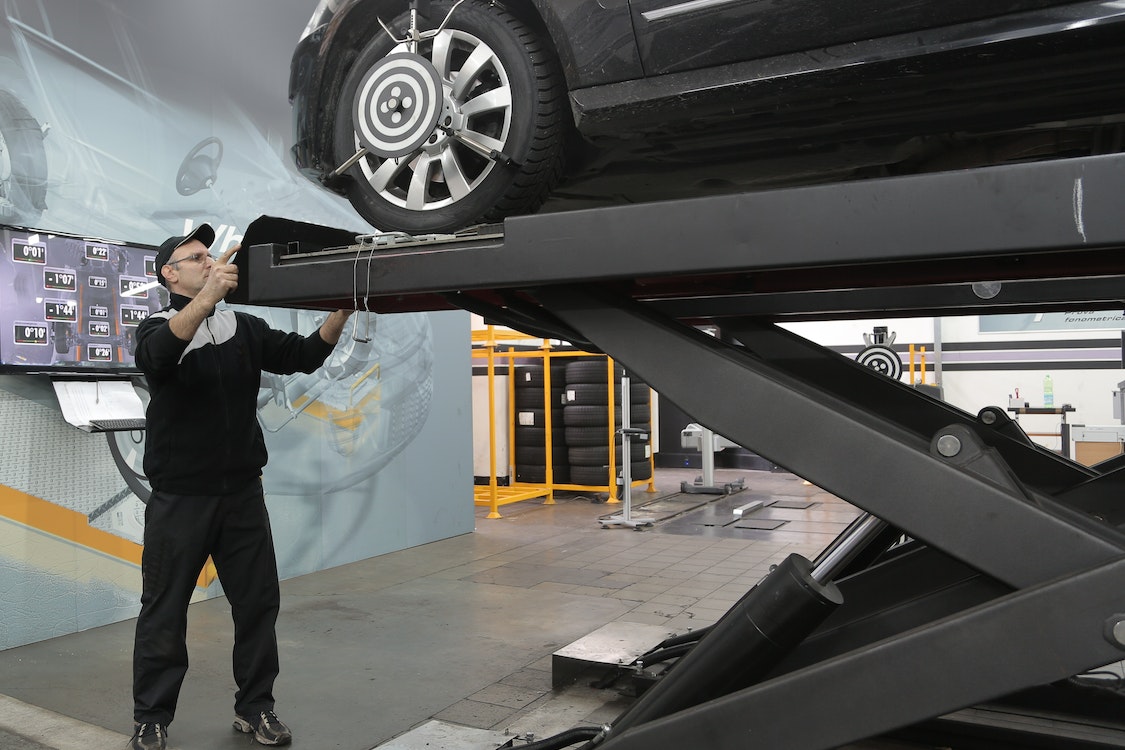
The truth is, there are a number of maintenance tasks that can help you keep your vehicle running like the top. Some of the most basic routine maintenance tasks are changing your oil, filter changes and lubricating your brakes and hoses. These tasks are not hard to perform and can be done at home or at the dealership.
The most important reason to take your car in for routine maintenance is to avoid more serious problems down the road. For example, you could save yourself a lot of money by keeping your spark plugs in good condition.
A study by the American Automobile Association found that 35 percent of American drivers skip or delay routine maintenance. Considering that the average vehicle lives for 11 1/2 years, that could be a pretty bad move.
It also can be a costly mistake. By not following your manufacturer’s recommended service schedule, you might end up paying for more expensive repairs down the line.
The best way to implement a maintenance strategy is to use a computerized maintenance management system (CMMS). This technology can track daily operations and provide detailed maintenance reports on each component. It might also help you identify the most likely candidates for routine maintenance. For instance, if your company has expensive or sensitive machinery, it might be worth investing in a predictive maintenance solution that uses sensors to monitor key metrics and trigger maintenance alerts when needed.
6. Not Taking Your Car in for Routine Maintenance
Ignoring routine car maintenance can be a mistake that costs you more money and makes your vehicle less safe. If you ignore your manufacturer’s recommended maintenance schedule, the result could be serious issues with your engine or other parts of the car that can cost a lot of money to fix.
This is especially true when you consider that a properly maintained car will last much longer than one that is neglected, so it’s a wise investment to keep up with routine maintenance tasks.
In addition to saving you money in the long run, proper car maintenance also reduces the amount of fuel you need to use and decreases your carbon footprint. Not only that, but it can increase the performance and reliability of your vehicle so you get to spend more time enjoying your ride!
When you ignore routine maintenance, you put yourself and your family at risk. It can be hard to predict when a mechanical issue is going to occur, and if you aren’t prepared for a breakdown, you could end up stuck on the side of the road and stranded with a damaged car that can’t be repaired.
Keeping your vehicle properly maintained will make it safer, more reliable, and easier to sell when the time comes. Plus, it can help you avoid having to pay a high price for a new car that has expensive repairs down the road.