A timber deck can turn an ordinary outdoor area into a favored spot for meals and quiet afternoons in the sun. Regular attention keeps boards healthy and safe so splinters and sagging do not steal enjoyment.
Small tasks done on a steady schedule save time and expense later. This overview offers clear steps to help owners keep a deck in top shape year after year.
Preparing Your Deck
Before any work begins take a careful walk across the surface to spot loose boards, popped fasteners and areas with soft feel underfoot. Remove furniture pots and planters so you have a clear field for inspection and cleaning, and stack items out of the way where they will not get wet.
Mark problem spots with chalk or a removable tag to make repairs quicker once tools arrive, and wear gloves to protect hands from rough grain and rusty nails. A simple staging step like this sets the tone for a smoother maintenance session and cuts confusion when you move from one task to the next.
If your goal is a deck that looks refined and lasts for years, it pays to consult leaders in timber supplies before choosing materials or treatments.
Routine Cleaning
Sweeping leaves and grit off the boards on a weekly or biweekly rhythm prevents debris from trapping moisture and creating dark stains. Use a soft broom and follow the grain to lift dust rather than push dirt into joints where water can collect and rot can begin.
For sticky spills or light algae a gentle wash with warm water and mild soap will often clear the area without stripping natural oils from the wood. Clean wood dries faster and accepts sealants or stains more evenly so keeping a routine matters more than grand gestures.
Deep Cleaning Techniques
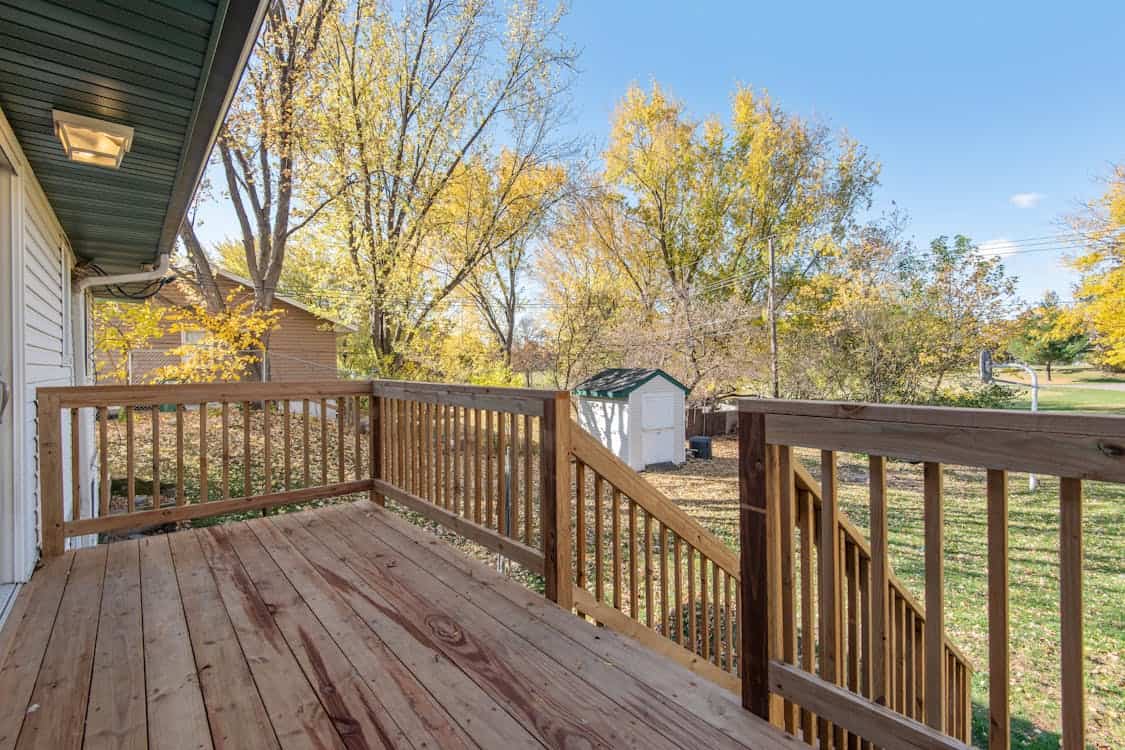
When grime builds or mildew shows up a deeper clean helps restore appearance without hurting the fibres of the timber.
Choose a pump sprayer or brush with a bristle that is firm but not wire, and mix a cleaning solution recommended for timber, applying in small sections to work with the sun and wind.
Rinse thoroughly and allow the deck to dry for at least a day or two, longer if the weather is cool or damp, so that wood pores close up in a stable state. A careful deep clean can reveal hidden damage while also setting the stage for sanding or sealing.
Repairing Boards And Fasteners
Replace any boards that show signs of rot or large splits because patching a rotten board is often a short term fix that invites more trouble. Tighten loose screws or swap nails for screws that hold better over time, and choose stainless steel or coated fasteners to avoid corrosion that stains wood and weakens joins.
If a board is sound but warped, remove and re plane or fit a fresh board cut to match the profile of the surrounding area. Work methodically across small sections and keep a checklist so no loose ends remain when you step back to admire the job.
Sanding And Surface Prep
Sanding opens the grain and smooths raised fibres that trap dirt and cause splinters, making it a smart move before coating the surface. Start with a coarser grit to level rough patches and finish with a finer grit to create a uniform feel underfoot, always following the grain to prevent cross scratches.
Remove sanding dust with a blower or soft broom and give the deck a final wipe with a damp cloth to catch leftover dust before coatings are applied. This prep work pays off in even absorption and a more attractive final sheen.
Sealing And Staining
A suitable seal or stain forms a barrier that slows moisture uptake and shields the timber from ultraviolet fade, helping colour last longer and wood remain firm.
Select a product that matches the species of wood and the local climate and follow the maker instructions for coats and dry times, testing on a small hidden patch when in doubt.
Apply evenly with a brush or roller, keeping a wet edge to avoid lap marks, and allow full cure time before replacing furniture or rugs to keep the finish intact. Recoating on a regular interval keeps protection consistent and prevents the need for heavy restoration later.
Preventing Moisture And Rot
Good water management is the single best way to keep rot at bay, starting with proper grading and guttering that guides run off away from deck posts and nearby foundations. Leave small gaps between boards to permit drainage and air flow so that trapped water does not linger and invite fungus or mildew.
Inspect joists posts and ledger boards at least once a season for dark stains or soft spots that signal hidden moisture damage and act fast when you find them. Simple design choices and routine checks cut risk and preserve structural life.
Seasonal Care And Timing
Plan major tasks for mild dry weather when dust and wind are low and wood can dry naturally after cleaning or coating, avoiding cold spells and rainy windows. Spring is a prime time for a full inspection and refresh after winter wear while late summer can be ideal for re sealing because heat helps products cure well.
Short quick checks before high use seasons identify trouble early so you can fix a loose board or tighten fittings before guests arrive. A basic seasonal rhythm keeps effort manageable and makes care part of normal property upkeep.
Common Mistakes To Avoid
One error is applying a finish to a dirty or damp surface, which traps contaminants and shortens the life of the coating, so always clean and dry first. Overlooking hidden supports and fasteners means a surface job masks deeper issues that will return with interest, so lift boards and check under the deck when time allows.
Using the wrong fastener or a product meant for another timber type can cause staining or quick failure, so match materials and read labels carefully. Small missteps early translate to larger repairs later, so a careful approach saves time and preserves the look you worked hard to achieve.