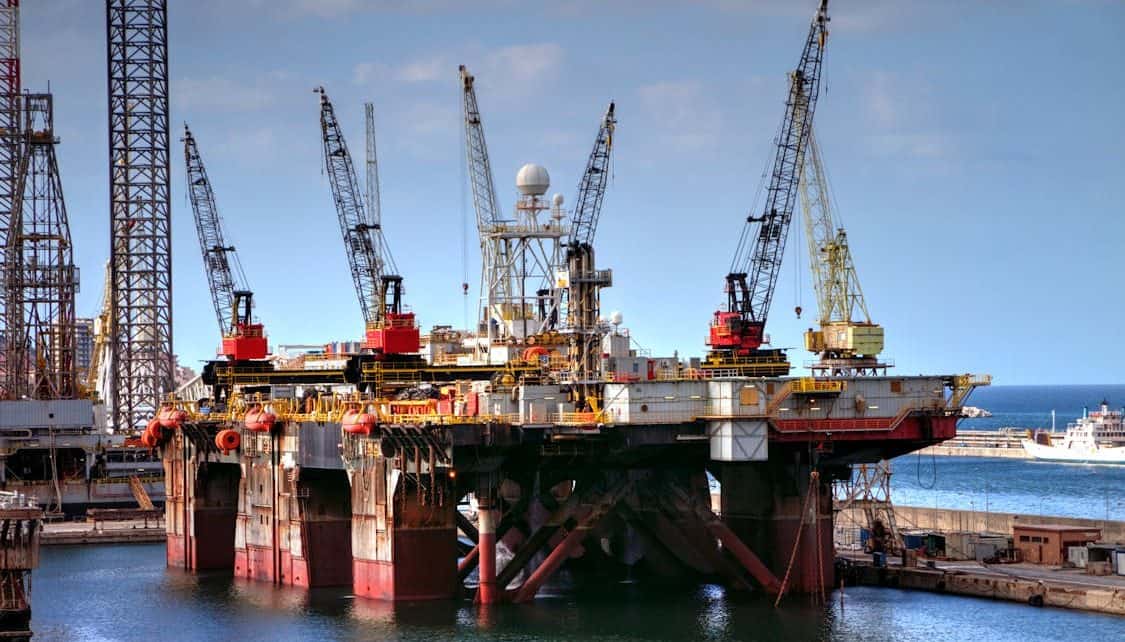
OCTG casing stands at the center of well integrity and plays a major role in oil and gas operations. Its life cycle extends from mines and mills to busy ports and remote well sites and each stage carries environmental consequences that deserve attention.
Tracking emissions water use land disturbance and waste flows uncovers impacts that are not always obvious at first glance.
Lifecycle Emissions Of OCTG Casing
The lifecycle of an OCTG casing begins at ore extraction where heavy machines and energy intensive processes release greenhouse gases and particulates into air and soil.
Steel production is the largest source of those emissions with traditional furnaces and electric furnaces consuming large volumes of energy and emitting carbon rich outputs.
Transportation and field operations add fuel use and logistics related emissions that often remain out of sight when focus stays on drilling activities. At end of life handling and disposal create waste streams that extend the footprint and show the manufactured tube is only the tip of the iceberg when it comes to environmental burden.
Materials And Manufacturing Footprint
Steel for OCTG casing relies on iron ore coal and alloying elements that each bring extraction impacts and resource demands. Manufacturing steps such as forging threading heat treatment and finishing consume energy and water and generate emissions and industrial wastewater.
Choosing higher grade steels can reduce weight for a given strength but often shifts impacts upstream into mining and chemical processing sectors. An ounce of prevention in the form of better material selection and tighter process control can lower long term environmental cost while preserving performance.
Transportation And Logistics Impact
OCTG casings travel long distances from mills to storage yards and then to the well site and every movement adds to fuel burn and air pollution. Loading practices handling inefficiencies and delays at ports increase idle time for ships and trucks which pushes emissions higher.
Packing density and route planning influence the per ton energy cost thus modest gains in logistics efficiency translate into meaningful emission reductions. Local sourcing and improved coordination at the site cut truck trips and ease pressures on communities near terminals.
Installation And Field Operations Effects

Running casing into the well requires cranes rigs and support gear that depend on diesel power and generate site level noise dust and emissions. Water use for cleaning flushing and pressure testing adds to local demand and can stress freshwater sources in dry regions.
Operational leaks spills and time lost to repairs create both direct contamination and uncounted greenhouse gas releases that escape many standard reports. Rigorous maintenance and careful adherence to procedures reduce these effects and protect both workers and nearby residents.
Using robust Casing and Tubing reduces the risk of mid-life replacements, lowering the environmental burden from repeated interventions.
Corrosion And Longevity Concerns
Corrosion shortens service life and prompts replacement cycles that amplify the cumulative impact from repeated production and transport. Different downhole environments present variable risks such as high salinity formation water and corrosive gas mixtures that accelerate metal loss.
Protective coatings chemical inhibitors and cathodic systems extend usable life but bring their own manufacturing impact and end of life disposal questions. A systems view that tracks trade offs across the life span helps balance longevity against net environmental cost.
Recycling And Reuse Pathways
Steel has high inherent recyclability and reclaimed casing can flow back to mills instead of driving fresh ore extraction. Closed loops for collection cleaning and remelting cut energy per ton relative to primary production and reduce pressure on landfills.
Coatings residues and contamination complicate recycling and call for preprocessing steps that add cost and emissions but are often worth the investment. Building demand for reclaimed tubulars and upgrading cleaning infrastructure will make circular pathways more feasible across many basins.
Regulatory And Industry Standards
Regulations shape how operators manage casing from procurement and installation to waste handling and reporting obligations. Material grades testing protocols and corrosion control standards set performance baselines that also influence environmental footprints through design and maintenance choices.
Voluntary industry programs and third party verification can encourage cleaner practices where rules lag or are unevenly enforced. Greater transparency in reporting and consistent metrics let purchasers compare options and reward lower impact choices.
Advances In Low Impact Materials
New alloy recipes alternate production routes and smarter coatings aim to cut the energy and emissions embedded in pipe. Work on hydrogen based steelmaking low carbon electricity use and carbon capture at mills points toward lower carbon futures for tubular goods.
Greener lubricants and surface treatments reduce reliance on toxic chemistries in finishing and field service applications. Early adopters will face a price premium but pooled procurement and shared technical trials can bring costs down as scale increases.
Stakeholder Roles And Community Effects
A wide set of actors shapes outcomes from miners and mill operators to shippers service companies and landowners who host sites. Local people often feel impacts through traffic noise and air quality changes during delivery and installation phases which affects daily life and public health.
Proactive engagement with residents clear mitigation plans and practical compensation measures build trust and reduce points of friction around projects. Investing in local workforce training and recycling capacity can convert a resource intensive activity into a source of regional jobs and longer term economic value.