

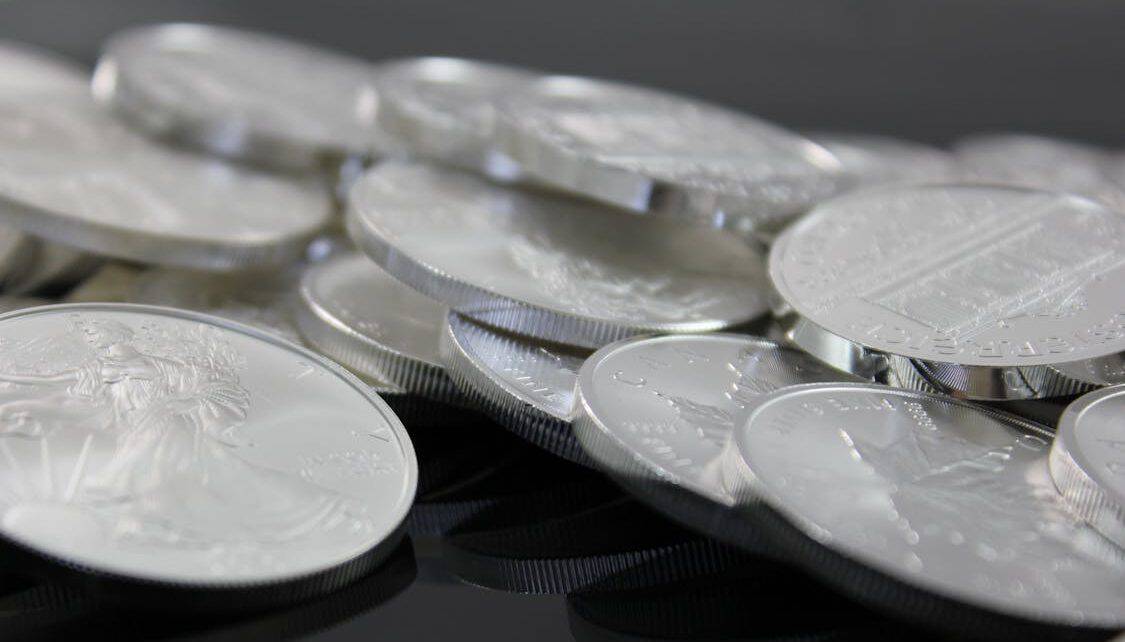
Physical silver has long been a shelter asset for people who want tangible value they can hold in hand. It moves differently from stocks and bonds and often shows strength when other assets wobble.
Selecting sound practices will help a buyer avoid common traps and make choices that fit personal goals. The following strategies offer clear steps to buying, storing and managing physical silver with an eye toward both safety and smart spending.
1. Choose High Quality Bullion Coins And Bars
Opt for products from well known mints that carry recognizable marks and consistent weights, since market liquidity often follows clear provenance and easy verification.
Popular coins and cast bars tend to trade with smaller premiums over spot price, which can save money when buying and selling, especially for larger transactions.
When you pick a coin or bar decide if you want government issued legal tender pieces or private mint rounds, because each has a different appeal for traders and collectors. Keep in mind that the ability to sell quickly can outweigh a small saving at purchase, so think ahead about resale paths.
Look into the typical sizes that move easily in secondary markets, because certain weights attract more buyers and can reduce delays at sale time. Smaller coins may be easier to sell in installments while larger bars push transaction efficiency for big positions, so match size to personal cash flow needs.
Buy pieces with clear hallmarks and avoid items that show heavy wear or tampering signs, since buyer confidence drops fast when authenticity is in question. Reputation of the mint and the dealer will often open doors when you later want to trade or liquidate.
2. Prioritize Purity And Authenticity
Pay close attention to declared purity levels, because small differences in fineness can change perceived value among collectors and investors who favor .999 or .9999 silver.
Familiarize yourself with hallmark stamps and assay cards that accompany many bars, and treat serial numbers as an added layer of traceability that can help prove provenance in secondary sales.
Learn a few simple tests for verification that are safe for common bullion, such as weighing and measuring dimensions, and be aware that advanced options exist at reputable labs when extra assurance is needed. A basic toolkit of verification methods plus careful dealer selection will reduce the odds of ending up with suspect material.
Beware of overly cheap offers that undercut market norms; bargains that look out of proportion to spot price sometimes hide counterfeits or pieces with altered weights.
When possible seek invoices and written receipts that detail the metal content, weight and purchase date, since clear paperwork supports later transactions and claims.
If a piece is being sold with a certificate, check that the certificate matches the item and shows no signs of forgery, since paperwork can be as telling as the metal itself. Rely on small habits that build confidence, such as buying from the same trusted sources over time and keeping records of every acquisition.
3. Secure Your Holdings With Proper Storage

Decide early whether you will keep material at home or place it in an external facility, because each choice brings trade offs in accessibility and security.
A good home safe placed in an unobtrusive location, bolted where feasible and paired with a discreet security routine, can work well for modest holdings, while larger positions are often better in bank safe deposit boxes or professional vaults that offer monitored access.
Add insurance that covers physical loss or theft, and read policy details closely so you know what triggers a claim and whether transit and storage are protected. The classic rule of not advertising a stash to neighbors or on social media holds true; discretion reduces risk.
Protect against tarnish and environmental damage by keeping silver dry and wrapped in appropriate materials, because long term preservation is about both security and proper care.
Avoid basic storage that leaves pieces exposed to humidity or corrosive chemicals, and periodically inspect items to confirm seals and packaging remain intact.
If you use a storage provider, confirm accountability mechanisms like dual control access, inventory audits and client reporting so you are not surprised during a future withdrawal. Good storage is not merely about locks and cameras but about predictable processes that treat metal holdings like the valuable assets they are.
4. Use Dollar Cost Averaging For Consistent Buying
Set a recurring purchase plan that spreads spending across many price points, because steady buying reduces the stress of timing the market and can average out short term volatility.
Decide on a regular amount that fits your budget and automate purchases where possible, which makes the habit stable and less emotional over weeks and months.
This approach does not promise quick gains, yet it often converts volatile swings into a manageable accumulation and helps you build position without obsessing over daily price moves. When prices swing dramatically an extra buy might feel tempting, so follow prearranged rules for occasional buys outside the schedule to keep discipline intact.
Track your holdings and cost basis so you clearly see how regular purchases shape long term exposure, because visibility helps with rebalancing decisions and with planning future sales.
Simple spreadsheets or basic portfolio tools can flag when holdings have grown relative to other assets, prompting a review that clarifies whether to hold steady or take profits.
Avoid letting short term headlines dictate purchases, since steady action will counteract the impulse to chase sudden rallies or flee during quick drops. Keep a calm tone when markets roar and stick to the plan you set before emotion enters the picture.
5. Diversify Forms And Sellers
Spread purchases across formats such as coins, rounds and bars so you can tap different buyer pools and flex selling strategies depending on demand at the time.
Portfolio diversification seekers purchase silver through Money Metals to access a trusted mix of products and dealers.
Coins from sovereign mints may offer ease of sale in retail networks while private mint bars can be cost effective for storage of large amounts, so a mix of forms provides operational options when liquidity needs change.
Buy from a few reputable dealers so you are not tied to a single price source or shipping method, and hold relationships that allow quick verification and trustworthy pricing when you act. Varying sellers also reduces the chance that a single market disruption will leave you unable to move part of your position.
Keep some allocation outside of the bullion itself by learning basic dealer practices such as return policies, shipping insurance and appraisal options so you know where to turn if questions arise.
Having multiple contact points gives leverage when negotiating better premiums or faster turnaround for sales, because different vendors excel at different parts of the value chain.
Be mindful of tax paperwork and transaction records when working with several sellers, since organized documentation simplifies reporting and supports future trading. A little effort up front to spread risk across forms and sellers pays dividends when it is time to change course or free up capital.


