

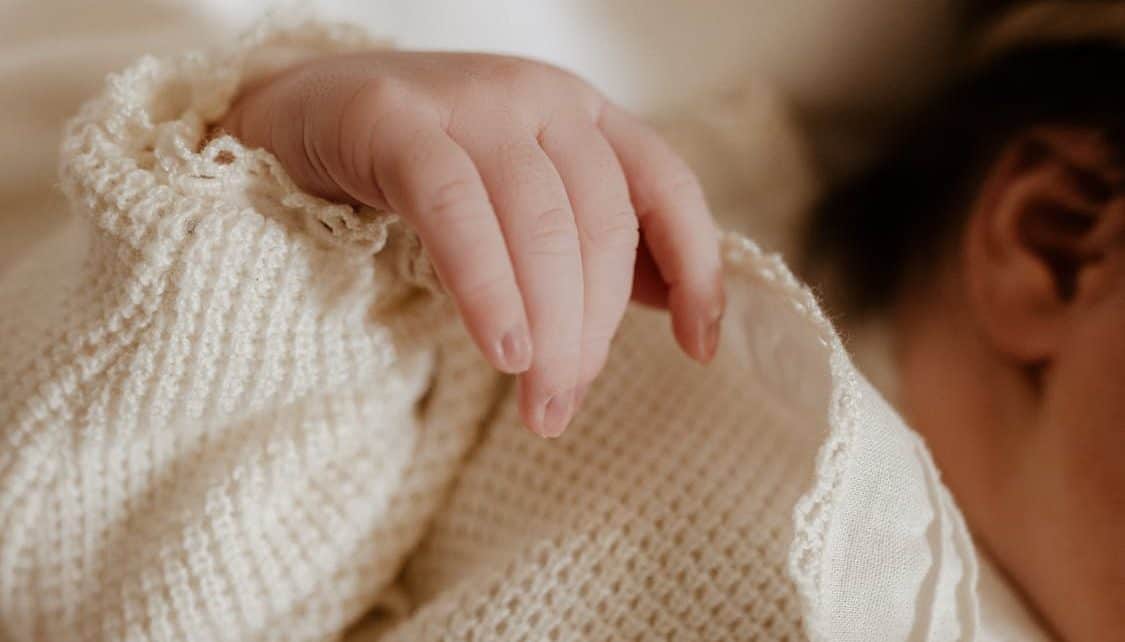
Princess Beatrice gave birth to her second child on January 22, 2025, at Chelsea and Westminster Hospital in London. The baby girl, named Athena Elizabeth Rose Mapelli Mozzi, is 11th in line to the throne and the 10th great-grandchild of Queen Elizabeth II.
For parents watching the royal family, births like this are more than celebrity gossip. They are naming events that shape trends. When a royal couple chooses a name, maybe choose a British Royal baby name becomes less of a suggestion and more of a social signal. The question is not whether royal names are popular. It is why they remain popular in an era when most traditional naming conventions are collapsing.
The Beatrice Effect
Royal births produce measurable spikes in name popularity. When Princess Beatrice and Edoardo Mapelli Mozzi named their first daughter Sienna in 2021, the name rose to 12th most popular in England and Wales within two years. The name was virtually unknown in British naming data before the royal association. The same pattern held for Archie after the Sussexes’ 2019 birth, and for Charlotte after the Cambridges’ 2015 birth. The royal imprimatur is worth thousands of registrations.
Athena Elizabeth Rose follows the classic royal naming formula: a distinctive first name, a traditional middle name honoring the monarch, and a floral middle name adding softness. Elizabeth is the obvious nod to the late Queen. Rose is less expected but fits the floral tradition that has become popular in recent years – Lily, Daisy, Poppy, and Ivy all rank in the UK top 50. Athena is the wildcard, drawn from Greek mythology rather than British tradition, suggesting that even royal parents are willing to look beyond the usual sources.
What the Data Actually Shows

The Office for National Statistics 2023 data shows that Amelia ranked second among girls’ names in England and Wales, with 2,884 registrations. George ranked in the top 10 for boys with 3,699 registrations. Harry placed 7th with 2,403 registrations, and William 9th with 1,806. These are not niche choices. They are mainstream names that happen to have royal associations.
The GIGAcalculator analysis adds global context. Worldwide, 680,801 people are named Amelia and 3.95 million are named George. The names travel. A parent in Malaysia or Canada who chooses George is not necessarily honoring the British monarchy. They are choosing a name that is internationally recognized, historically grounded, and phonetically simple across languages.
The Psychology of Royal Naming
Over one in six parents wait until the day their baby is born to decide on a name. For these parents, the royal birth that happened six months earlier is fresh in memory. The name Athena, which was rare before 2025, may see a measurable uptick in 2026 registrations simply because parents heard it in a royal context and filed it away as a possibility.
The mechanism is not conscious imitation. It is availability bias. Names that are recently prominent in media are more mentally available when parents are making decisions under time pressure. A couple who cannot agree on a name may settle on Athena not because they are monarchists, but because it is the first name they both recognize and neither objects to.
The Counter-Trends
Royal names are not the whole story. The ONS 2023 data shows that Muhammad is now the most popular boys’ name in England and Wales when all spellings are combined. Arabic names like Reem, Hadiya, Hadi, Essa, and Kabir are rising fast. Indian names like Avani, Saanvi, Aadhya, and Agastya are also climbing. The naming landscape is diversifying, and royal names are becoming one tradition among many rather than the dominant tradition they once were.
2026 predictions suggest further fragmentation. Geography-inspired names like Everest and Rio are gaining traction. Fantasy literature names from series like Game of Thrones and The Witcher are appealing to younger parents. And there is a growing emphasis on culture and heritage, with parents choosing names that reflect their own backgrounds rather than adopting names from a shared national canon.
The Commercial Dimension
Naming is a small industry. Baby name books, websites, and apps generate revenue by predicting trends and offering suggestions. Royal births are marketing events for these platforms. The GIGAcalculator tool that tracks name popularity globally sees traffic spikes after every royal birth, as parents check whether their shortlisted names are rising or falling. The royal family functions as an unpaid influencer for the naming industry.
The commercial value of a royal name extends beyond registration. Children named George or Charlotte receive more social media engagement when their parents post about them. The names are searchable, recognizable, and carry positive associations that parents implicitly hope will transfer to their child. It is not superstition. It is brand management applied to human identity.


