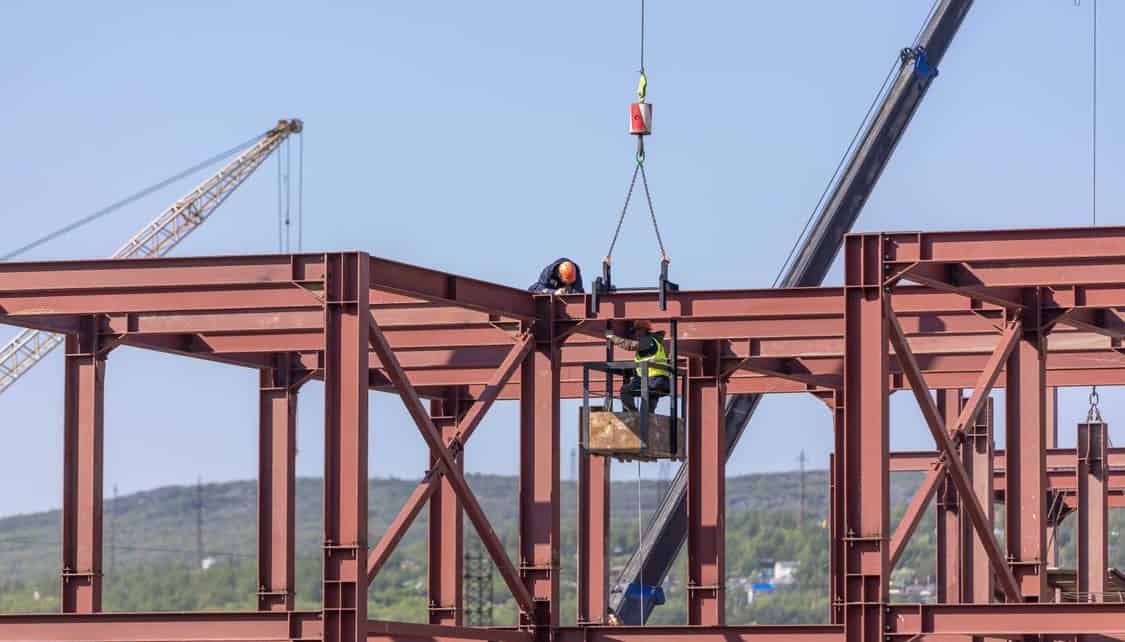
For years, buying commodity structural plate was mostly a question of price and availability. Then trade policy turned the steel market into something buyers have to think much harder about, and the most ordinary grades are where that shift bites hardest.
When tariffs reshape the cost of imported steel, the grade most exposed is the one bought in the largest volumes for the lowest margins.
A doubling that changed the math
The policy shift was blunt. In mid-2025, the United States doubled its Section 232 tariffs on imported steel from 25% to 50%, applying the higher rate to a broad range of steel and derivative products.
A 50 percent duty is not a nuisance cost that gets absorbed quietly. It is large enough to change where steel is sourced, how projects are bid, and which suppliers stay competitive.
The scope has also widened over time, with hundreds of additional product codes pulled into the tariff net and the basis for calculating duties tightened. The direction of policy has been toward more coverage, not less.
For domestic mills, that protection is the point. For buyers who relied on imported plate, it is a structural change in the cost base they have to plan around.
Why the commodity grade feels it most
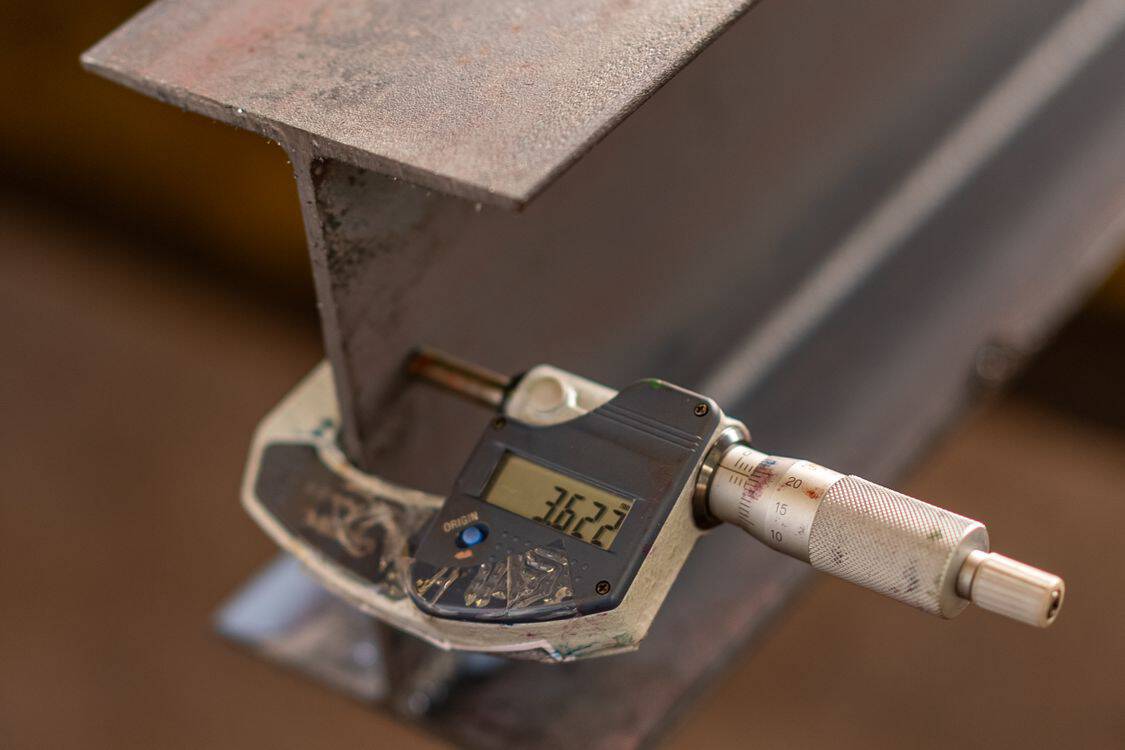
Not all steel is equally exposed to this. The grades that compete mainly on price, and that have historically faced stiff import competition, are the ones where a tariff swing shows up most sharply.
That puts the workhorse structural grade right in the crosshairs. A grade like ASTM A36 is the default general-purpose carbon structural steel, bought in huge volumes for buildings, base plates, and general fabrication where price is the dominant consideration.
Because it is a commodity, buyers feel every dollar of cost difference. There is little specialized performance to differentiate one source from another, so sourcing decisions come down to delivered price, and tariffs sit right in the middle of that calculation.
The result is a sourcing landscape that now rewards domestic supply and well-understood trade-compliant routes, and penalizes the assumption that the cheapest foreign offer is the cheapest delivered steel.
For high-volume buyers of standard plate, that shift can move a project budget meaningfully, which is why the tariff regime has become a genuine procurement variable rather than background noise.
How buyers are adapting
The practical response is to treat country of origin and tariff exposure as part of the buying decision, not an afterthought handled at the border.
That starts with understanding the total delivered cost. The mill price, the freight, and the applicable duty together determine what a tonne actually costs, and the lowest headline price no longer guarantees the lowest landed cost.
It also rewards supplier relationships that offer clarity. Buyers increasingly value sources who can speak to origin, documentation, and tariff treatment, because surprises at customs are expensive and disruptive.
For many projects, the math now favors domestic plate or clearly compliant supply chains, particularly for the commodity grades where the duty is a large share of the price.
Trade policy can change again, and the details have shifted more than once already. But for now, anyone buying standard structural plate in volume has to factor tariffs into the decision, because on the most ordinary grades, that is where the cost difference lives.