

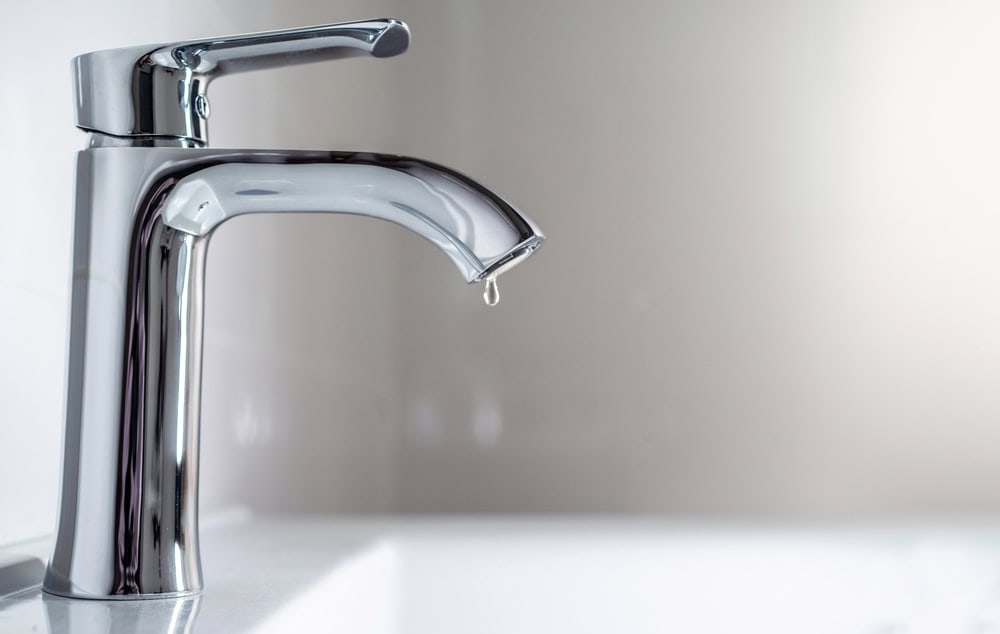
Frozen and burst pipes can lead to sudden chaos in a house, producing water damage, costly repairs and a lot of stress for everyone involved. Small habits taken before cold weather arrives will cut risk dramatically and make any winter easier to manage.
The steps that follow mix common routines with practical tools that many homeowners can apply without special skills. Use a blend of occasional checks, modest upgrades and quick action to keep piping intact inside walls, under floors and out of doors.
Inspect Vulnerable Areas
Begin by mapping where plumbing runs close to exterior walls, beneath windows and inside unheated rooms to find the most likely weak spots. Carry a flashlight and note thin insulation, exposed pipe runs and any signs of previous leaks or corrosion that point to trouble ahead.
Pay special attention to basements, crawl spaces and attic areas where cold air tends to pool and remain longer than in living spaces. A short inspection with a list and a steady pace often uncovers a handful of fixes that will repay the effort many times over.
Insulate Pipes And Plumbing
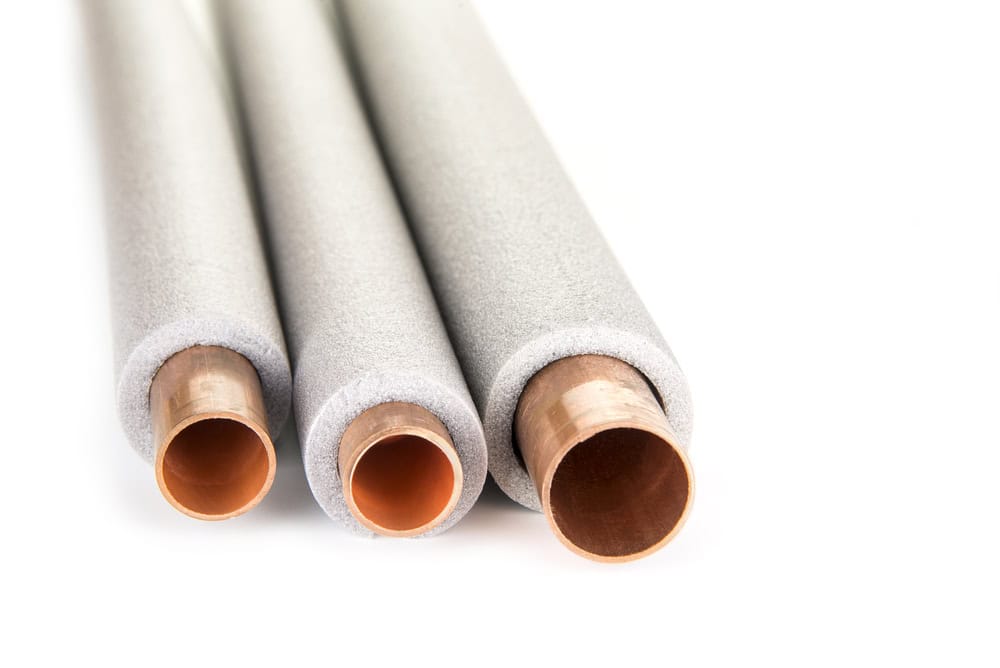
Wrapping pipes with foam sleeves or fibrous insulation slows heat loss and reduces the chance that water inside will freeze into an ice plug that causes pressure to spike. Focus on bends, joints and runs that travel through exterior walls, and choose products rated for plumbing use for long term durability and moisture resistance.
For outdoor lines and fixtures, thicker insulation or heating tape with a built in thermostat offers extra margin when temperatures plunge for several nights. Even modest protection applied in the right places keeps pipe temperatures closer to room level and buys time when cold air moves in.
Keep Heat Flowing
Allow warm air to circulate to areas where pipes are present by propping open cabinet doors, leaving closet doors unlatched and moving lightweight fans to encourage gentle movement in basement and crawl spaces. Maintain a steady thermostat setting day and night so that interior temperatures do not swing wildly and place extra stress on seals and joints.
Portable electric heaters can help in small problem spots but choose models meant for continuous indoor use and place them away from flammable materials. Air movement and consistent warmth work together to reduce cold pockets that create local freezing conditions.
Seal Gaps And Openings
Cold drafts sneak into wall cavities where pipe penetrations, vents and wiring holes sit unsealed, so use caulk and expanding foam to close those routes and block moving air. Weather strip doors and apply insulating window film to cut heat loss through thin glass in older units, which lowers the likelihood of nearby pipe chill.
This matters even more in regions where pipes can expand and contract with Texas weather, gradually weakening joints if temperature swings are not controlled.
Pay attention to gaps behind dryer vents, plumbing stacks and under eaves where wind driven cold finds its way inside. A tighter building envelope reduces the workload on heating systems and makes internal heat more effective at keeping plumbing warm.
Protect Outdoor Faucets And Irrigation Lines
Before freezing nights arrive, disconnect garden hoses, drain exterior faucets and close interior shut offs that supply outdoor spigots to remove trapped pockets of water. Fit protective faucet covers on exposed spigots and consider insulated boxes for meters located near exterior walls to block biting air.
For irrigation lines follow manufacturer steps for winterizing and use a compressor blow out or prescribed draining method for the system to clear standing water. Leaving outdoor plumbing ready for winter eliminates a common source of mid season pipe breaks.
Know How To Shut Off Water
Locate the main shut off valve and turn it a few times so you can act quickly if a line fails, and mark the location clearly so others in the household can find it during an emergency. Keep a small kit near the valve with a basic wrench, gloves and heavy duty tape to deal with minor leaks until a professional arrives.
Learn the individual shut offs for appliances, water heaters and laundry connections to isolate damaged sections without removing water from the entire house. A fast, calm response limits how far water migrates into walls, insulation and floor structures and reduces repair scope.
Let Faucets Drip When Cold Hits
When a sustained deep freeze is forecast, let a slow trickle flow from taps fed by exposed or vulnerable runs to keep water moving and reduce the chance that it will freeze within interior sections. Flowing water resists freezing more readily than still water, and a targeted drip at distant fixtures protects the longest runs in the system.
Focus the measure on sinks located on exterior walls and remote bathrooms that receive less warm air, where a little movement has the greatest payoff. The extra water used overnight is a small operational cost compared with the disruption and expense of repairing a burst pipe.
Prepare For Long Absences
If you plan to leave the home for several days or weeks, shut the main water supply off, drain lines and water heaters where the setup allows, and switch off valves to appliances that commonly hold water. Empty ice makers, disconnect dishwasher supply lines and run a cycle on washing machines to push standing pockets out if you cannot fully drain a system.
Ask a trusted neighbor or a relative to check the house under extreme cold conditions and to run faucets briefly if temperatures fall dangerously low. An unattended home that lacks these precautions will often experience problems that start small and become large before help arrives.
React Quickly To Freezing Or Leaks
At the first sign of frost on a pipe apply gentle heat using a hair dryer, warm towels or a low wattage heating pad and work along the run toward warmer sections while watching for bulges or cracking. Avoid open flames, high heat guns and torches that damage materials and create a fire risk inside walls and tight spaces.
If a rupture occurs, move valuables and furnishings out of reach, catch flowing water with containers and use plastic sheeting to protect floors before calling a licensed plumber to stop the leak and make repairs. Take photos and keep notes about what you did and when you acted so insurance paperwork is clear and the repair process goes smoothly.


