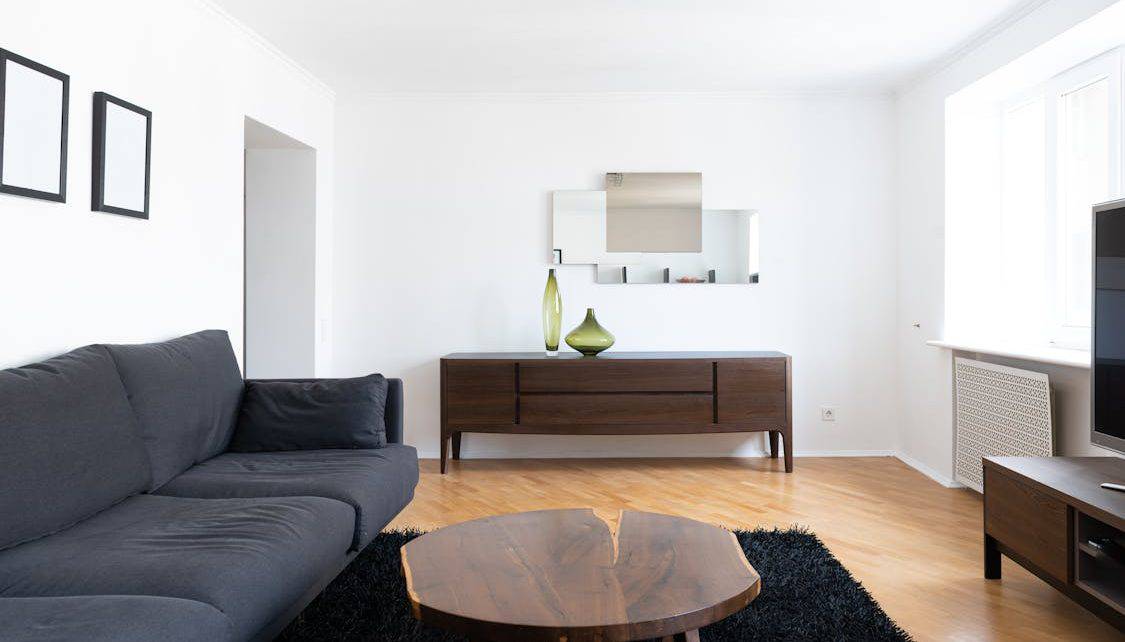
Designing small homes that feel spacious can be a tricky endeavor. However, clever design choices can make a significant impact.
Here are five innovative ideas that can transform compact spaces into airy, inviting homes.
1. Multi-Functional Furniture
The magic of multi-functional furniture is hard to overstate. Beds that fold into walls, coffee tables that transform into dining tables, and ottomans that double as storage can completely change the dynamic of a room. These pieces save space while providing utility, making them ideal for smaller homes.
Utilizing furniture that serves multiple purposes not only maximizes efficiency but also allows for more freedom in layout. Imagine a living room where the coffee table can be easily converted to accommodate guests for dinner; it’s a practical solution that doesn’t compromise style.
Moreover, the introduction of such furniture encourages a more minimalist approach. By reducing the number of items in a space, you can achieve a cleaner, more organized look. This creates an illusion of expansiveness without actually increasing square footage.
Choosing materials and designs that are sleek and modern will further enhance the feeling of openness. Opt for lighter colors and streamlined shapes to keep the atmosphere airy rather than heavy and cluttered.
2. Open Concept Layouts
Open concept layouts have gained popularity for a reason. By eliminating unnecessary walls, these designs foster a sense of connection between spaces. The kitchen, dining, and living areas can blend seamlessly, making even the smallest footprint feel larger.
This design philosophy encourages interaction and flow. When family members or guests can easily move between spaces without obstruction, the home feels more inviting. Imagine hosting a dinner party where everyone can comfortably mingle without feeling confined to separate rooms.
Incorporating large windows or glass doors can enhance this effect. Natural light floods the space, creating an illusion of depth.
While it might not physically expand the home, it significantly enhances the visual experience. This effect is even more powerful when paired with a seamless indoor-outdoor flow, allowing light, air, and movement to extend beyond the walls.
Careful zoning can still be achieved with furniture placement and area rugs, allowing different functions to coexist harmoniously. This creates distinct areas while maintaining the overall open feel. It’s all about striking a balance between openness and comfort.
3. Vertical Space Utilization

When floor space is limited, look up! Vertical space can be a homeowner’s best friend. Adding shelves, hanging storage, and even vertical gardens can dramatically increase storage and decorative options.
Installing tall bookshelves or cabinets makes use of otherwise unused wall space. These can be stylish and functional, providing not only storage but also a way to display personal items and art.
Using wall-mounted lighting fixtures or hanging plants can draw the eye upward, creating an illusion of height. This trick can make a room feel less cramped and more expansive by directing focus away from the floor.
Moreover, adding a loft or raised platform can serve multiple functions. It can house a bed, a workspace, or even an additional lounge area. This creative use of verticality capitalizes on the entire volume of the home, making every inch count.
4. Light Color Palettes
Choosing a light color palette can significantly influence the perception of space. Soft whites, light grays, and pale blues reflect light and create an airy feel. The right paint color can make a room feel more open and inviting.
In smaller spaces, dark colors can often make the walls feel as if they are closing in. By opting for lighter shades, you allow light to bounce around the room, enhancing the feeling of spaciousness.
Accent walls can be a creative way to introduce color without overwhelming the space. For example, a single wall painted in a subtle pastel can bring character while keeping the overall look light and fresh.
Combining light colors with natural materials—like wood or stone—adds warmth. This balance helps maintain a homey feel while still appearing modern and spacious. Texture and color can work hand in hand to elevate a small space remarkably.
5. Smart Technology Integration
Incorporating smart home technology offers convenience and efficiency, especially in limited spaces. Automated lighting, heating, and security systems can be controlled remotely, reducing the need for bulky devices and clutter.
Smart home devices can also enhance functionality. For instance, smart mirrors that display the weather or news can serve a dual purpose in a small bathroom or dressing area. They provide utility without taking up additional space.
Integrating technology can also streamline daily tasks. Imagine having a voice-activated assistant that helps with reminders, music, or even home management. This creates a seamless living experience that feels contemporary and efficient.
Additionally, energy-efficient appliances can save space and resources. Compact washers, dryers, and refrigerators designed for small homes can fit snugly without sacrificing performance. This not only maximizes space but also aligns with sustainable living practices.
By embracing these five innovative design ideas, small homes can achieve a spacious and inviting feel. Each approach offers unique benefits, making them ideal for maximizing livability while maintaining a sense of style and comfort.