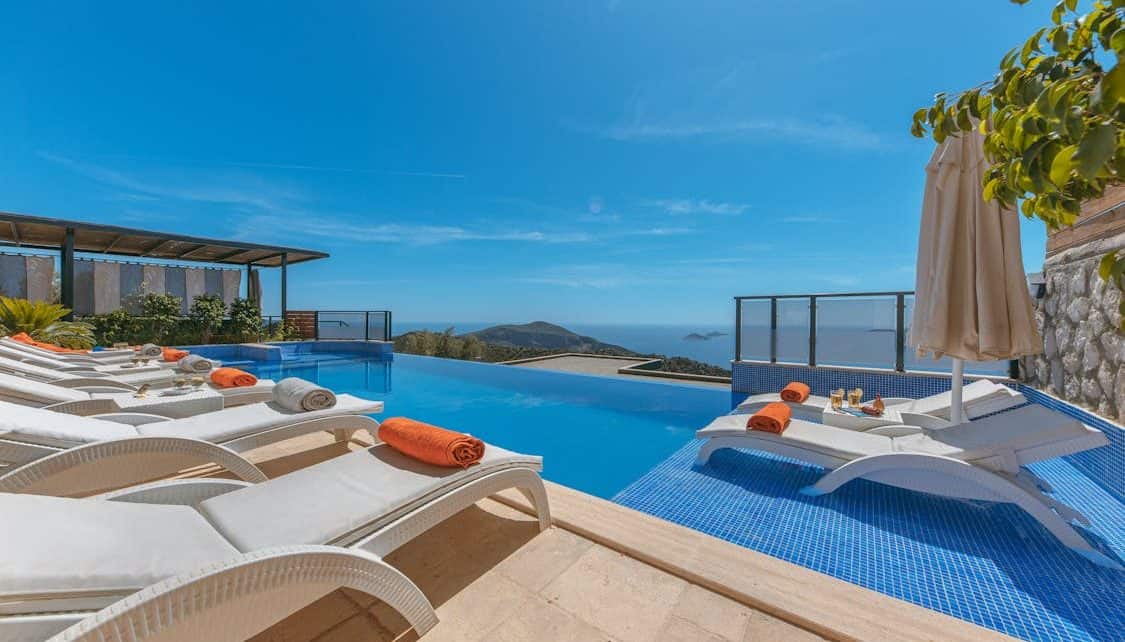
Designing a commercial pool involves more than just choosing a beautiful water hue. The shape of the pool plays a pivotal role in its functionality, aesthetic appeal, and overall user experience.
By examining various shapes and their unique benefits, one can gain insight into which design might suit a commercial setting best.
Understanding Pool Shapes
When it comes to commercial pools, shapes can generally be categorized into a few primary types: rectangular, freeform, circular, and infinity pools. Each of these shapes brings its own set of advantages, catering to different needs and aesthetics.
Rectangular Pools: The Classic Choice
Rectangular pools are the go-to for many commercial settings, from hotels to fitness centers. Their linear shape allows for organized lap swimming, making them ideal for swim teams or fitness classes.
Straight lines also create a clean, professional look that aligns with many architectural designs. Maintenance tends to be easier in rectangular pools, as they often facilitate efficient water circulation.
Freeform Pools: Naturalistic Appeal

For those seeking a more relaxed, organic feel, freeform pools provide a whimsical touch. These pools mimic natural bodies of water, complete with curves and irregular shapes.
They often incorporate features like rock formations and waterfalls, enhancing the overall environment. Freeform pools can be particularly attractive for resorts and spas, creating an inviting atmosphere for relaxation and leisure.
Circular Pools: Unique and Engaging
Circular pools can serve a dual purpose. They often act as a focal point within a property while also providing ample space for social interactions.
The round shape encourages a sense of community, making it a popular choice for beach clubs and family-oriented resorts. However, these pools may not be the best for competitive swimming, as they lack the straight lanes that rectangular pools offer.
Infinity Pools: The Illusion of Continuity
Infinity pools, often seen in luxury resorts, create a striking visual by blending seamlessly with the horizon. The edge of the pool seems to disappear into the landscape, providing a breathtaking view.
While they are undeniably beautiful, infinity pools can be challenging to maintain and require careful engineering to ensure the water flows accurately over the edge.
Factors Influencing Pool Shape Selection
Choosing the right shape for a commercial pool isn’t just about aesthetics. Several practical considerations come into play.
Space Constraints
The available space on a property significantly influences the choice of pool shape. Rectangular pools can fit into tighter areas, while freeform designs might require more room to develop their curves.
Additionally, local building codes may impose restrictions on pool dimensions, pushing designers to be more creative within given limits.
Purpose and Functionality
Understanding the primary use of the pool can guide shape selection. For instance, a facility focusing on aquatic sports will lean towards rectangular shapes, while a leisure-focused environment might prioritize freeform designs.
Consideration of age demographics is also key; family-friendly shapes can attract children and parents alike.
Aesthetic Appeal
A pool’s shape should harmonize with the surrounding architecture and landscape. The aim is to create a cohesive visual experience.
For example, a modern building may be complemented by a sleek rectangular pool, while a rustic resort might benefit from the natural curves of a freeform pool.
If you want a truly standout facility, it’s worth exploring custom designs for commercial swimming pools that can perfectly match your brand and setting.
Budget and Maintenance
Different shapes have varying construction costs and maintenance requirements. Rectangular pools, while often more straightforward to build, may require extra attention in terms of water chemistry due to their size.
Freeform pools, on the other hand, can introduce more challenges in terms of cleaning and upkeep because of their irregular shapes.
Popular Trends in Commercial Pool Design
Trends in pool design are always shifting, reflecting broader design movements and consumer preferences.
Eco-Friendly Features
Sustainability has become a focal point in many commercial projects. Incorporating natural filtration systems, solar heating, and energy-efficient lighting not only reduces operational costs but also enhances the appeal of the pool.
Shapes that allow for natural integration of these features are increasingly popular.
Multi-Functional Spaces
Commercial pools are expanding beyond simple swimming spaces. Many designers are now creating pools that serve multiple functions, such as incorporating swim-up bars or shallow areas for lounging.
Shapes that facilitate these features often include elements of both rectangular and freeform designs, allowing for both organized swimming and leisure activities.
Technology Integration
Smart technology is making its way into pool design. From automated cleaning systems to advanced water management, the integration of tech can influence how a pool is shaped and functions.
This trend encourages innovative designs that accommodate tech features without compromising aesthetics.
Safety Considerations in Pool Design
Safety is paramount in commercial pool design. The chosen shape can enhance or complicate safety measures.
Visibility and Supervision
Rectangular pools usually allow for better visibility from various angles, which can be crucial for lifeguards or staff monitoring the area. In contrast, freeform pools may have nooks and crannies that can obstruct a clear view, potentially posing safety risks.
Depth and Configuration
The configuration of the pool is also important for safety. A uniform depth can simplify monitoring, while varying depths in freeform pools might necessitate additional precautions, such as clear signage indicating water depth.
Surrounding Areas
The design of the area surrounding the pool can influence safety. Smooth surfaces, proper drainage, and slip-resistant materials are vital, especially in high-traffic areas.
The shape of the pool can dictate the layout of these surrounding surfaces, impacting overall safety.
Customer Experience and Engagement
Ultimately, the shape of a commercial pool can significantly affect the customer experience.
Flow and Movement
In busy commercial settings, the flow of movement around the pool is essential. Rectangular pools allow for easy navigation, promoting a smooth experience for swimmers and loungers.
Conversely, freeform pools might create more opportunities for exploration but could also lead to congestion in popular spots.
Social Interaction
Shapes that encourage social interaction can enhance customer satisfaction. Circular pools or those with integrated seating areas can foster conversations and gatherings.
This is particularly beneficial in settings like resorts where guest interaction can elevate the overall experience.
Visual Appeal
A pool should not only serve functional purposes but also add to the property’s visual appeal. Unique shapes can draw attention, becoming a memorable aspect of the venue.
Investing in creative designs can lead to higher visitor numbers, boosting revenue.