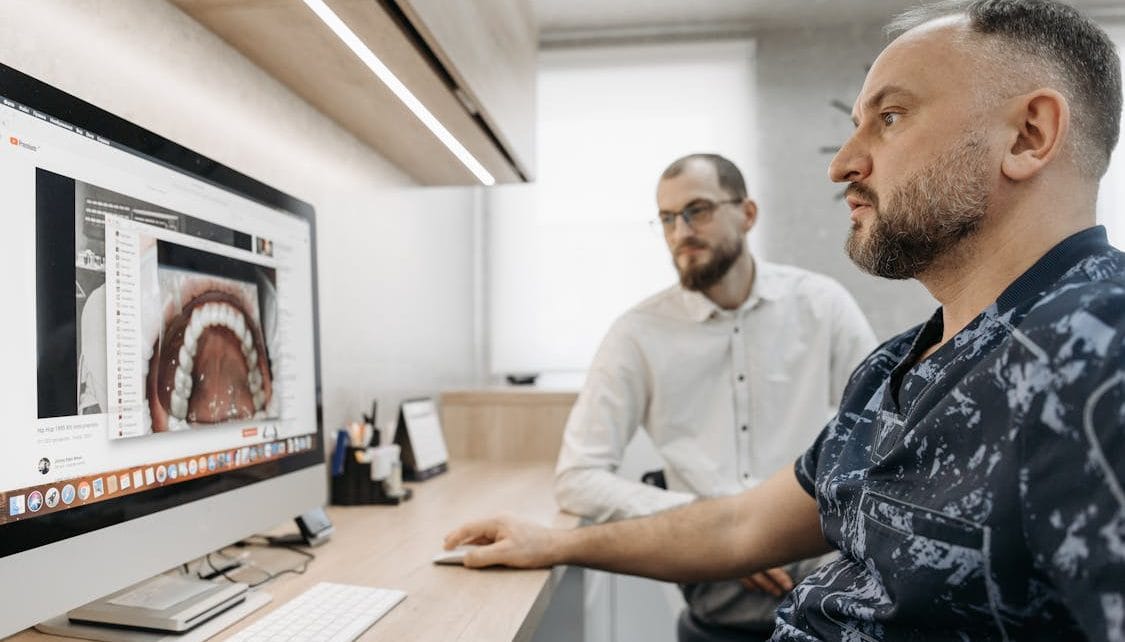
The landscape of dental service organizations (DSOs) has undergone significant changes over the past few decades, and these shifts are closely tied to advancements in information technology (IT).
Understanding how IT support has evolved in DSOs can illuminate the broader trends affecting both dental practices and the healthcare industry as a whole.
Early Days of Dental IT Support
In the early days, dental practices relied heavily on paper records and manual processes. IT support was minimal, often consisting of basic software for scheduling appointments and billing.
Dental professionals spent considerable time managing patient records by hand, which often led to inaccuracies and inefficiencies.
As technology began to develop, some forward-thinking practices adopted rudimentary computer systems. These early solutions helped streamline processes but were often limited in functionality.
IT support was primarily reactive; issues were addressed as they arose, creating a cycle of constant problem-solving without strategic planning.
Rise of Practice Management Software
The introduction of specialized practice management software marked a turning point for dental organizations. These applications automated various functions, including appointment scheduling, billing, and patient communication, dramatically enhancing efficiency.
With the rise of these software platforms, IT support transitioned from a reactive model to a more proactive one. Technicians began to focus on implementing and maintaining these systems, allowing dental staff to dedicate their time to patient care rather than administrative tasks.
Adoption of Electronic Health Records (EHRs)
With increasing regulatory requirements, the adoption of Electronic Health Records (EHRs) became a necessity in the dental field. These systems improved the accuracy of patient data and allowed for easier sharing of information among healthcare providers.
This shift necessitated a more sophisticated level of IT support. DSOs had to navigate compliance issues, data security, and interoperability challenges.
As a result, IT support teams expanded their roles, offering training and ongoing assistance to ensure that dental staff could effectively use EHR systems.
Integration of Cloud Computing
The advent of cloud computing brought a new layer of complexity and opportunity to dental IT support. By moving data and applications to the cloud, DSOs were able to reduce costs associated with on-premises infrastructure.
This transition also allowed for greater scalability and flexibility in operations.
For multi-location practices, having a centralized IT team can make this shift much smoother, ensuring consistent implementation, maintenance, and security protocols across all branches.
However, the move to the cloud raised new concerns about data security and privacy. IT support teams had to adapt quickly, implementing robust cybersecurity measures and training dental staff on best practices.
This change shifted the focus from merely troubleshooting software issues to a broader approach encompassing data governance and security protocols.
Telehealth and Remote Support
The COVID-19 pandemic acted as a catalyst for the rapid adoption of telehealth services across various healthcare sectors, including dentistry. Remote consultations became a viable option, allowing practices to serve patients without in-person visits.
This shift required a significant evolution in IT support. DSOs had to provide immediate training on telehealth platforms and ensure that systems were secure and compliant with healthcare regulations.
Support teams became essential in maintaining connectivity, addressing technical issues, and training staff to adapt to this new mode of care.
Data Analytics and Business Intelligence

As dental organizations sought to optimize operations, the role of data analytics became increasingly prominent. IT support teams began to integrate advanced analytics tools to help practices understand patient behavior, treatment outcomes, and financial performance.
This trend led to a more collaborative approach between IT and dental professionals. Data-driven insights allowed practices to make informed decisions, enhancing patient care and operational efficiency.
IT support teams emerged as partners in strategy development, rather than just troubleshooters, fostering a culture of continuous improvement.
Cybersecurity Challenges
With the increasing dependence on digital systems, cybersecurity has become a pressing concern for DSOs. The healthcare sector is often targeted by cybercriminals, which has necessitated a comprehensive approach to safeguarding patient data.
IT support teams have had to stay ahead of emerging threats by implementing multi-layered security protocols, regular audits, and employee training programs.
The nature of IT support has shifted from reactive problem-solving to a proactive, preventive model aimed at minimizing risks before they become significant issues.
The Role of Artificial Intelligence
The integration of artificial intelligence (AI) into dental IT support is an exciting development. AI-driven solutions can assist with everything from patient communication to predicting treatment outcomes.
This technology offers the promise of enhancing the patient experience while streamlining administrative tasks.
IT support teams must now become proficient in these new technologies, ensuring they are integrated smoothly into existing workflows. The challenge lies in balancing the human touch with AI capabilities, maintaining the high standard of care that patients expect.
Mobile Technology and Patient Engagement
The proliferation of smartphones and mobile applications has transformed patient engagement in dental practices. Patients now expect the ability to book appointments, access their health records, and receive reminders through mobile platforms.
This shift necessitated a new focus for IT support teams, who must ensure that mobile applications are user-friendly and secure.
Engaging patients through technology has become a vital component of modern dental practice, requiring IT support to adapt quickly to changing patient needs.
Ongoing Training and Development
With the rapid pace of technological advancement, ongoing training for dental staff has become essential. IT support teams are tasked with regularly updating training programs to cover new software, cybersecurity practices, and emerging technologies.
This focus on education helps bridge the gap between technology and patient care. Staff who are well-trained in using these tools can provide better service, leading to improved patient satisfaction and loyalty.
Strategic Partnerships and Outsourcing
As the demands on IT support continue to grow, many DSOs are exploring strategic partnerships or outsourcing certain functions. This approach allows practices to access specialized expertise and resources without the overhead of maintaining a large in-house team.
Outsourcing can provide flexibility and scalability, enabling DSOs to adapt quickly to changing needs. However, it also requires careful management to ensure that external providers align with the organization’s goals and maintain high standards of service.
The Future of IT Support in DSOs
Looking ahead, the role of IT support in dental service organizations is likely to continue evolving.
Emerging technologies such as virtual reality for training, advanced data analytics, and more sophisticated AI applications will shape the future landscape of dental care.
IT support teams will need to stay nimble, embracing new technologies while retaining a strong focus on patient care.
The integration of technology into dental practices will be a balancing act, requiring a strategic approach to maintain both efficiency and the personal touch that is so vital to patient relationships.
In this ever-changing environment, the evolution of IT support will not merely be about keeping systems running; it will be about enhancing the entire patient experience, ensuring that technology serves as an enabler of care rather than a barrier.